Archives
- 2026-09
- 2026-08
- 2026-07
- 2026-06
- 2026-05
- 2026-04
- 2026-03
- 2026-02
- 2026-01
- 2025-12
- 2025-11
- 2025-10
- 2025-09
- 2025-03
- 2025-02
- 2025-01
- 2024-12
- 2024-11
- 2024-10
- 2024-09
- 2024-08
- 2024-07
- 2024-06
- 2024-05
- 2024-04
- 2024-03
- 2024-02
- 2024-01
- 2023-12
- 2023-11
- 2023-10
- 2023-09
- 2023-08
- 2023-07
- 2023-06
- 2023-05
- 2023-04
- 2023-03
- 2023-02
- 2023-01
- 2022-12
- 2022-11
- 2022-10
- 2022-09
- 2022-08
- 2022-07
- 2022-06
- 2022-05
- 2022-04
- 2022-03
- 2022-02
- 2022-01
-
Introduction br This paper is a commentary on the
2024-06-19
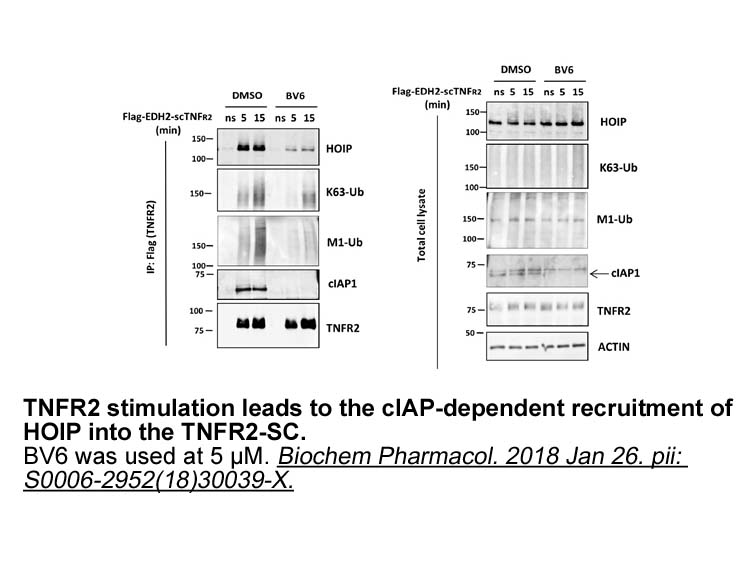
Introduction This paper is a commentary on the history of language among the Aché. What was language for the Aché prior to contact with Paraguayan society? How has the Aché language come to be endangered? Why is language such an important issue today? In exploring these questions I come to a slig
-
The major strength of this
2024-06-19
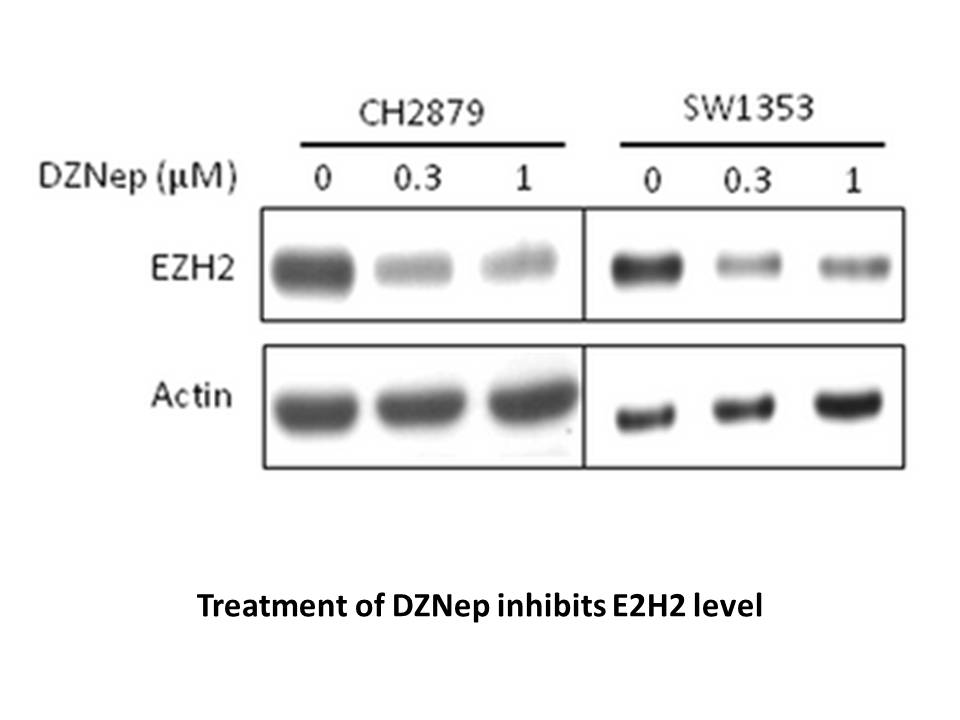
The major strength of this study is the large sample size which increases the statistical power to detect the likely subtle differences in peripheral methylation observed in psychiatric disorders (Olsson et al., 2010). Larger studies help provide more robust estimates of true associations, as small
-
The following are the supplementary data related
2024-06-19
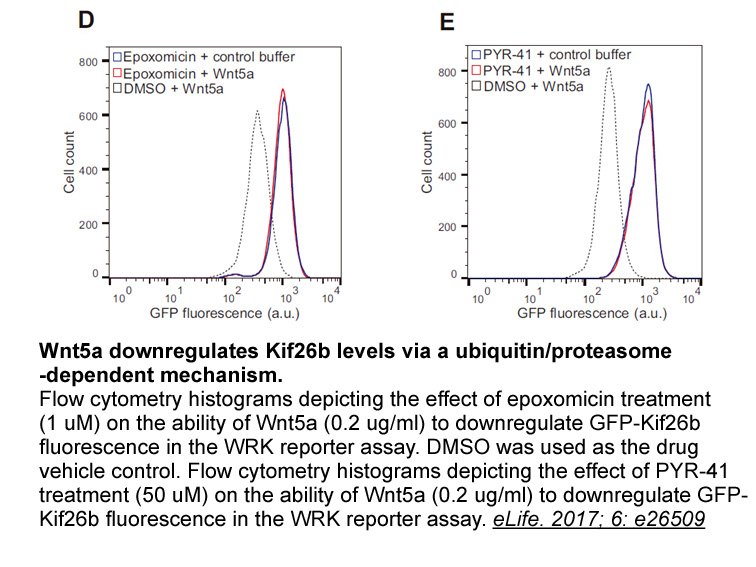
The following are the supplementary data related to this article. Conflict of interest Acknowledgements Disclosure of interest Introduction Since the introduction of platinum-based chemotherapy, metastatic testicular cancer has become a curable disease and most testicular cancer patient
-
The role of DHT in early teleost
2024-06-19
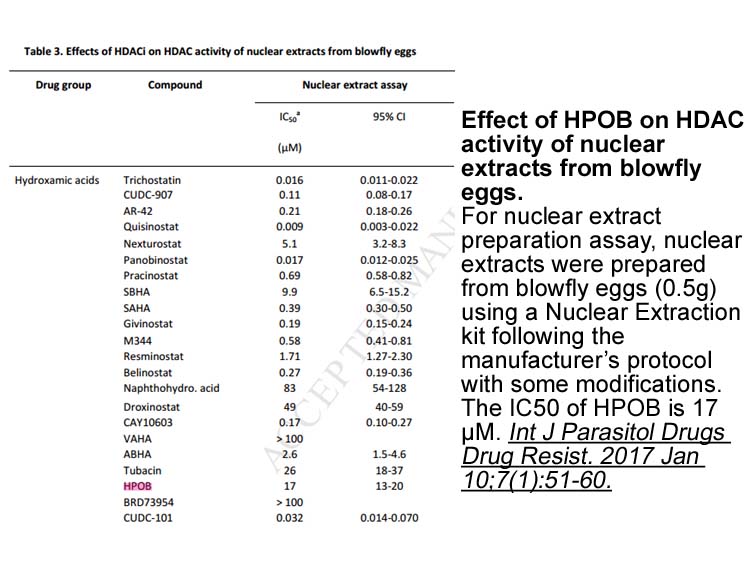
The role of DHT in early teleost embryogenesis is not entirely clear or established, however additional studies that treat fish embryos to DHT or to specific srd5a inhibitors at critical stages of development (i.e. prior to sex differentiation) will shed light on the early functions of this androge
-
The main function of ATR
2024-06-18
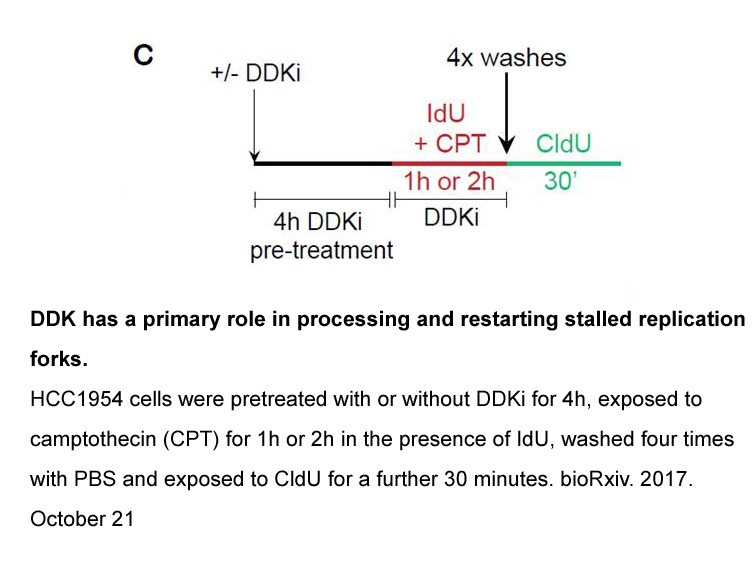
The main function of ATR/CHK1 signaling is activating propionitrile checkpoint arrest for S and G2 phases in mammalian cells. There are three checkpoints in response to DNA damage: G1/S, G2/M, and S-phase. The G2/M checkpoint can prevent cells that incur DNA damage in G2 phase or progress into G2 p
-
The uterine muscle also changes to
2024-06-18
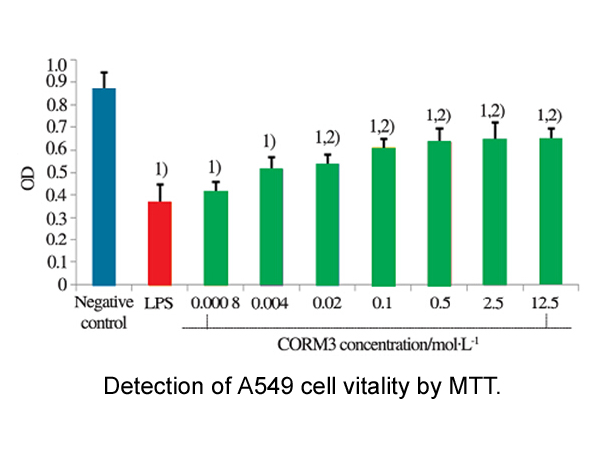
The uterine muscle also changes to meet the demands of pregnancy. Over the course of pregnancy, the myometrium undergoes structural remodeling to accommodate a growing fetus, followed by a functional switch from quiescent to contractile characteristics for parturition. Studies on the mouse model ind
-
Consistent with the in vitro results memantine ameliorated A
2024-06-18
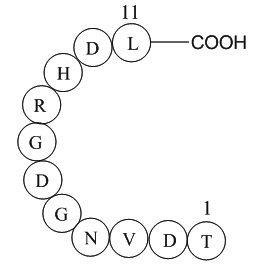
Consistent with the in vitro results, memantine ameliorated Aβ-induced cytotoxicity in rat primary cortical cultures. Studies reported that memantine protected neurons against the damage caused by aggregated Aβ40 or Aβ42 oligomers in vivo[26], [27]. These results suggest that, in addition to its neu
-
Most of the identified aldose
2024-06-18
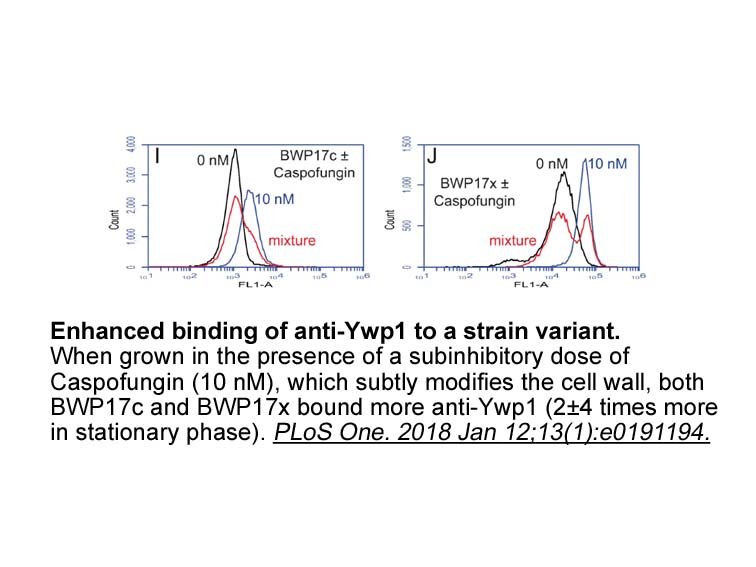
Most of the identified aldose reductase inhibitors possess undesirable effects like poor pharmacokinetic properties, hypersensitivity and Steven-Johnson Syndrome [1]. However, the main side effect is the lack of selectivity relative to aldehyde reductase (ALR1, EC 1.1.1.2). ALR1 plays the important
-
n acetylneuraminic acid br Conclusion br Acknowledgement Thi
2024-06-18
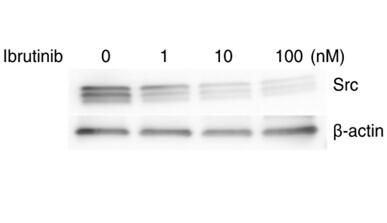
Conclusion Acknowledgement This work was supported by JSPS KAKENHI (Grant Number 15K18770). Introduction Neural crest n acetylneuraminic acid are multipotent progenitors in the vertebrate embryo that give rise to a vast array of different cell types including pigment cells, craniofacial s
-
br Materials and methods br Results The average body
2024-06-17

Materials and methods Results The average body weights for each group of mice over the course of the study are shown in Fig. 2A. The average body weights of the mice in the saline control group and PACAP group increased slightly during the study. In contrast, starting at day 17, the body weigh
-
Actin is capable of polymerizing
2024-06-17
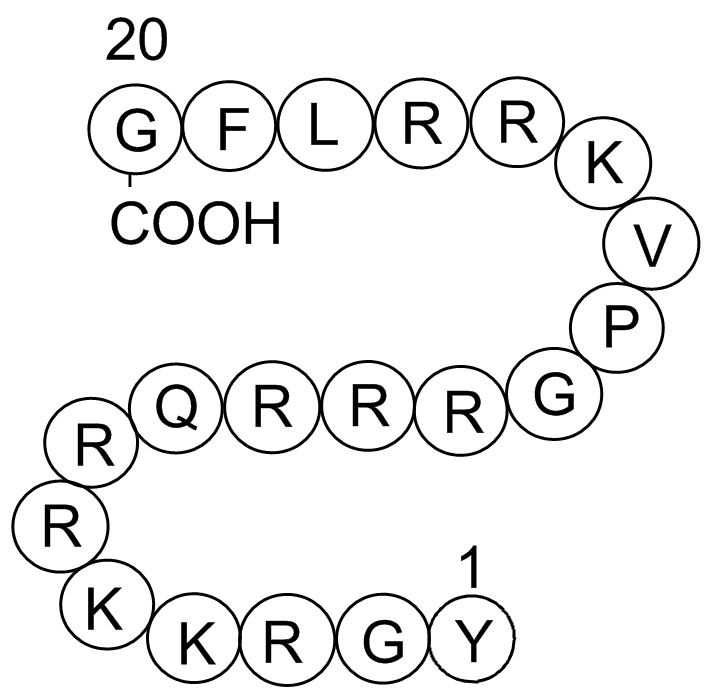
Actin is capable of polymerizing spontaneously. However, this process is relatively slow and kinetically unfavorable in cells. Formation of GYKI 52466 dihydrochloride australia dimers and trimers, which can easily disassemble due to their instability, is a rate-determining step in actin polymerizat
-
br Funding br Introduction The interest in the effects of
2024-06-17
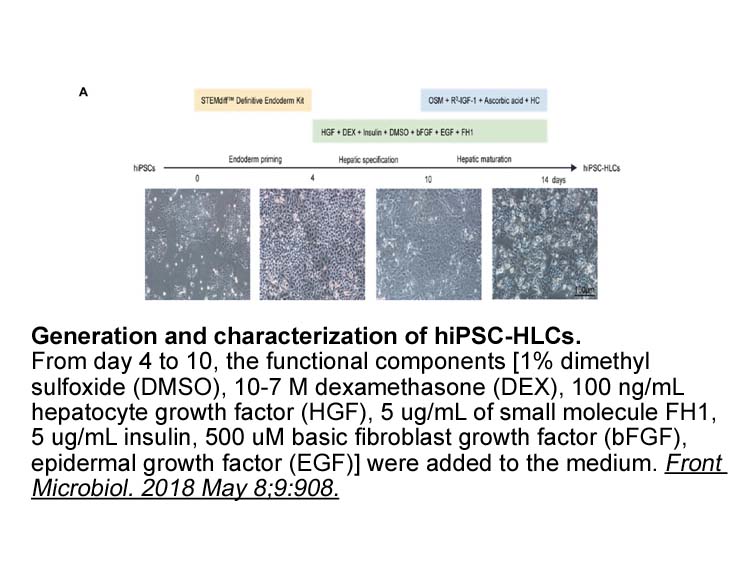
Funding Introduction The interest in the effects of endocrine disrupting chemicals (EDCs) in the aquatic environment continues to increase over the past decade, specifically those that act on steroidogenic pathways. EDCs that include synthetic androgenic and estrogenic compounds can severely a
-
These results from the present study are summarized in Table
2024-06-17

These results from the present study are summarized in Table 1. Eight drugs (doxorubicin, epirubicin, daunorubicin, idarubicin, irinotecan, imatinib, sunitinib and gefitinib) inhibited 5-HT-induced 5-HT3A and 5-HT3AB currents; three (irinotecan, topotecan and mitoxantrone) showed different responses
-
Since innate immune responses represent the first defense
2024-06-17
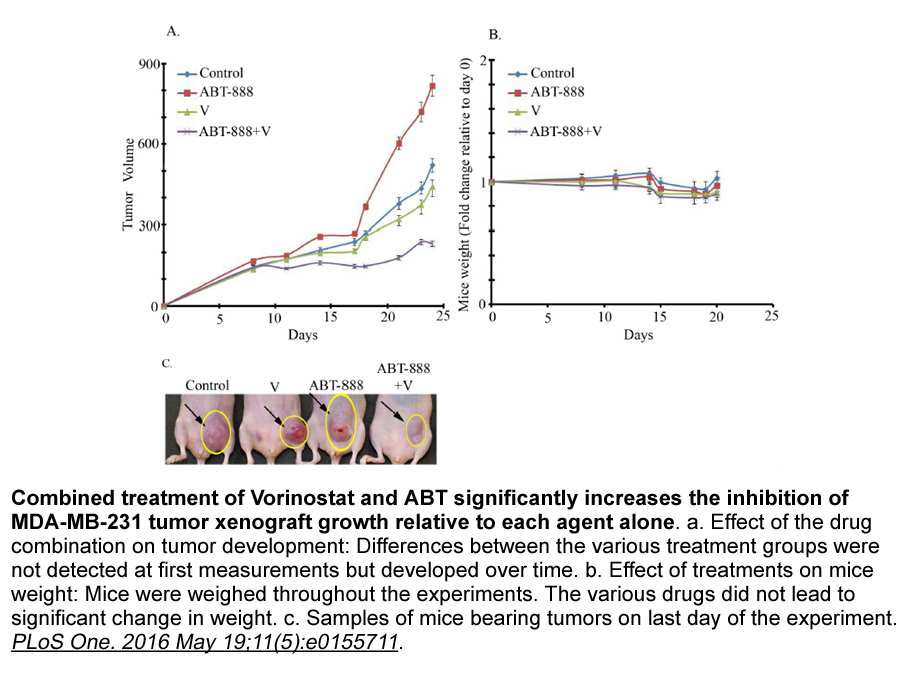
Since innate immune responses represent the first defense against incoming infectious microorganisms, they are particularly engaged during the early stages of viral infections. Many innate defense mechanisms rely on the engagement of pattern recognition receptors (PRRs) which are conserved, germ lin
-
Over expression of the inflammatory cytokines MMPs and COX a
2024-06-17
Over expression of the inflammatory cytokines, MMPs and COX-2 act as an important inducer of chronic inflammation. COX-2 catalyzes the biosynthesis of prostaglandins (PGs), and induced expression was observed in 59 7 sale stimulated with pro-inflammatory cytokines or bacterial lipopolysaccharide (Kh
8007 records 167/534 page Previous Next First page 上5页 166167168169170 下5页 Last page